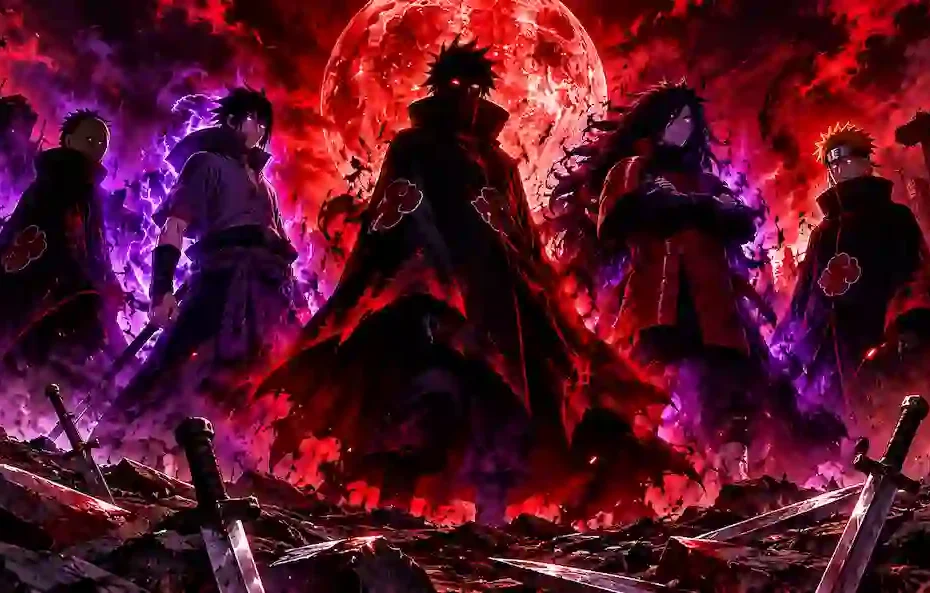
Most heroes fade from memory within a single season. But anime villains? They haunt your mind for years, sparking heated debates at 2 AM and rewriting entire fandoms overnight.
If you genuinely believe the good guys carry every great anime, you need to rethink that position. The real storytelling magic lives inside the antagonists who shatter everything protagonists stand for.
This guide breaks down the most iconic anime villains, their twisted motivations, and the dark psychology making them impossible to forget. Stick around because one entry on our ranking will genuinely shock you.
Whether you are a casual viewer or a die-hard otaku, understanding what makes anime villains tick will completely transform how you watch every single episode from now on.
What Makes Anime Villains So Unforgettable?
Great anime villains never feel like cardboard cutouts waiting to be punched. They carry real trauma, believable goals, and moral codes that sometimes make more sense than the hero’s own beliefs.
Think about it carefully. The best anime villains force you to pause the episode and ask yourself a deeply uncomfortable question about whether they might actually be right.
That moral gray area is what separates forgettable bad guys from legendary anime villains who dominate fan polls for decades. Writers who understand this create antagonists that outshine the main cast entirely.
Give your villain a wound the audience recognizes from their own life, then let that wound justify every terrible choice they make.
Look at Madara Uchiha or Pain from Naruto. These anime villains became cultural icons precisely because their pain felt real enough to make millions of viewers question the entire shinobi system.
Top Anime Villains That Broke the Internet in 2026
The anime landscape shifted dramatically this year. Several new anime villains emerged from recent releases and instantly climbed global trending charts, dethroning characters fans once considered untouchable.
Here is a quick breakdown of the most talked-about anime villains dominating social media conversations right now:
| Anime Villain | Series | Threat Level | Fan Approval Rating |
| Sukuna | Jujutsu Kaisen | Catastrophic | 94% |
| Muzan Kibutsuji | Demon Slayer | Extreme | 89% |
| All For One | My Hero Academia | Severe | 87% |
| Griffith | Berserk | Apocalyptic | 91% |
| Johan Liebert | Monster | Psychological | 96% |
The numbers tell a fascinating story. Notice how Johan Liebert, a villain with zero supernatural powers, holds the highest approval rating among all anime villains listed above.
This proves that raw emotional terror always beats flashy energy blasts when it comes to creating truly memorable anime villains that stick with audiences for life.
The Rise of Sympathetic Anime Villains
Modern audiences crave complexity. The era of one-dimensional anime villains laughing maniacally in dark castles is officially over and nobody is mourning its loss.
Today’s most popular anime villains carry backstories so heartbreaking that fans create entire petition threads demanding redemption arcs. Writers now build antagonists who were once victims themselves.
This shift explains why newer anime villains resonate so deeply with younger viewers who grew up questioning traditional good-versus-evil narratives in every form of media.
Why Fans Secretly Love Anime Villains More Than Heroes
Let us be brutally honest for a second. Scroll through any anime subreddit or Twitter thread, and you will find more fan art dedicated to anime villains than the actual protagonists.
The reason is deeply psychological. Anime villains represent the freedom most people suppress in daily life. They act on impulse, reject societal rules, and pursue desires without apology.
Heroes carry the heavy burden of responsibility. Anime villains carry the thrill of absolute liberation, and that contrast creates an addictive viewing experience fans cannot get elsewhere.
This dynamic also drives massive merchandise sales globally. Studios now deliberately design anime villains with striking visual aesthetics because they know the antagonist will outsell the hero every single time.
Streaming platforms have noticed this trend too. Algorithms now push anime villain-centric clips far more aggressively than hero highlight reels because the engagement metrics simply do not lie.
The Dark Psychology Behind Iconic Anime Villains
Every legendary anime villain operates on a specific psychological framework that mirrors real-world personality disorders. Writers study clinical psychology to craft antagonists who feel terrifyingly authentic.
Narcissism drives characters like Muzan and All For One relentlessly. Psychopathy fuels Johan Liebert’s chilling calm. Trauma-induced dissociation shapes Griffith’s horrifying transformation into something no longer human.
Understanding these patterns makes rewatching your favorite anime a completely different experience. You stop seeing cartoon bad guys and start recognizing destructive behaviors that exist in real life.
That uncomfortable mirror is exactly why anime villains remain the most analyzed, debated, and celebrated characters across the entire medium year after year.
The next time you binge a series, pay close attention to the moment the anime villain first reveals their origin story. That single scene usually contains more emotional weight than the entire final battle combined.
Frequently Asked Questions About Anime Villains
Who is considered the greatest anime villain of all time?
Most hardcore fans point to Griffith from Berserk or Johan Liebert from Monster. Both anime villains achieve their goals through manipulation rather than brute force, making them far more terrifying than typical shonen antagonists.
Why are anime villains more popular than heroes?
Anime villains offer moral complexity and visual flair that heroes rarely match. Their tragic backstories create emotional connections while their power sets deliver spectacular animation moments. It is no surprise that anime villains consistently trend higher on YouTube compilation videos than any heroic moment.
Can anime villains ever become heroes?
Absolutely. Characters like Vegeta and Gaara started as ruthless anime villains before earning full redemption arcs. These transitions work best when the change feels gradual and genuinely earned through suffering.
What makes a bad anime villain?
Lazy anime villains lack clear motivation beyond generic world domination. If you can replace their dialogue with any other antagonist and nothing changes, the writing has failed completely.
Which new anime villains should I watch in 2026?
Keep your eyes on the latest Jujutsu Kaisen arcs and the upcoming Berserk adaptation. Both series are introducing anime villains that critics are already calling generation-defining antagonists worth your time.
Final Verdict on Anime Villains
The greatest anime villains do not just oppose the hero on screen. They expose the hero’s deepest weaknesses, challenge the audience’s personal morals, and linger in your thoughts long after the credits roll.
If you want to truly appreciate any anime, stop rooting for the protagonist for one episode. Watch the story entirely through the villain’s eyes and you will never experience that series the same way again.